
The Margins

Solutions journalism on displaced populations
Subscribe
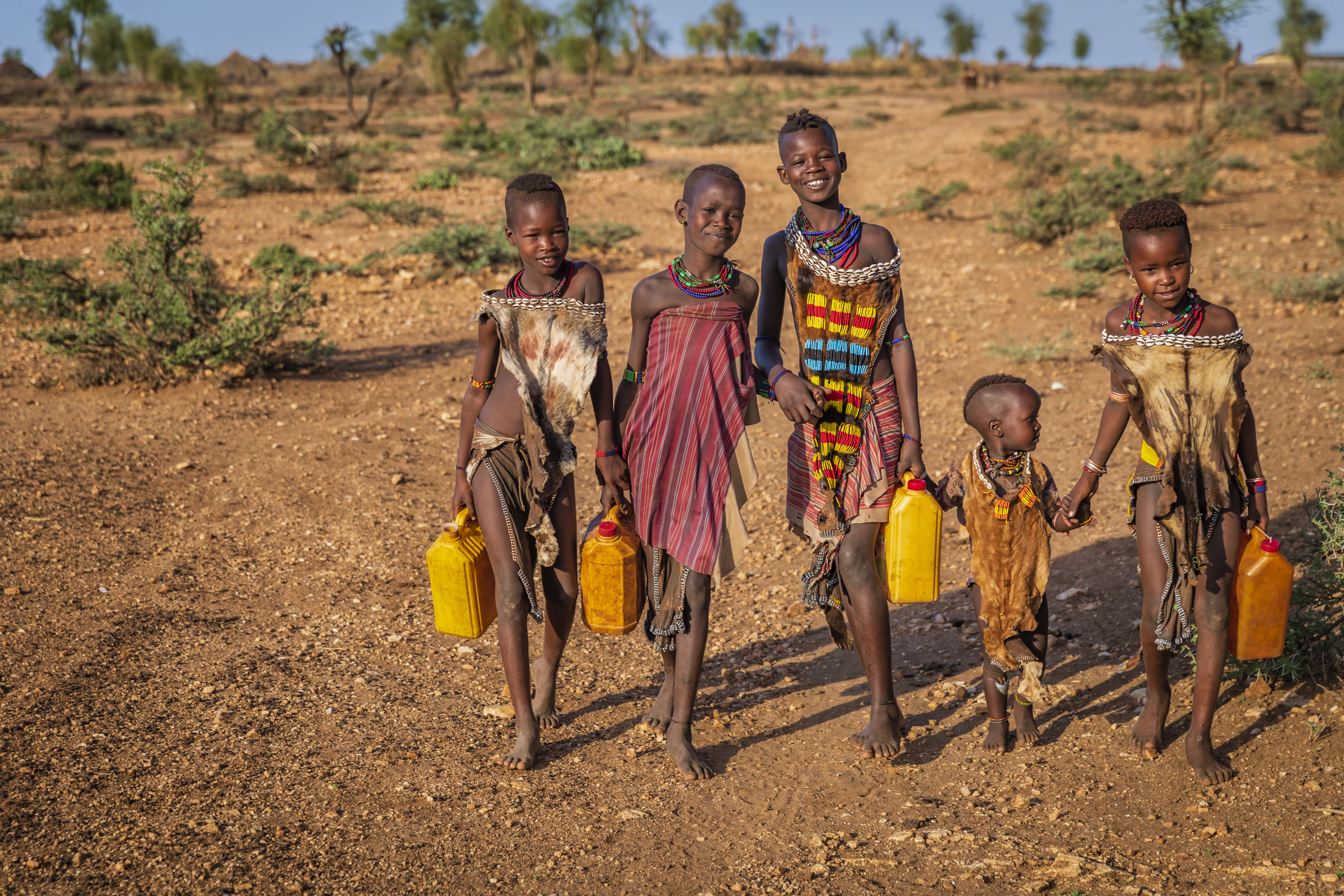
Children carrying water containers in Ethiopia
iStock / hadynyah
Water Access · Technology Advocacy

A technology that could
change refugee water access —
if anyone builds the bridge.

A peer-reviewed device purifies 10 liters of safe drinking water in 15 minutes using only human motion. No grid. No fuel. No chemical byproducts. $8.57 per person per year. Published in ACS Nano, 2026. Most humanitarian organizations have never heard of it.

1.8B
people potentially served globally
97.7%
output retained after 50 hrs continuous use
$8.57
per person / year
Research in partnership with
A UN-FIRST Initiative
Solutions Journalism

Reporting on displacement —
and what's being built
to end it.

Investigative reporting on refugees, asylum seekers, and marginalized communities facing forced displacement — alongside the housing initiatives, water technologies, and policy solutions that could change their lives.

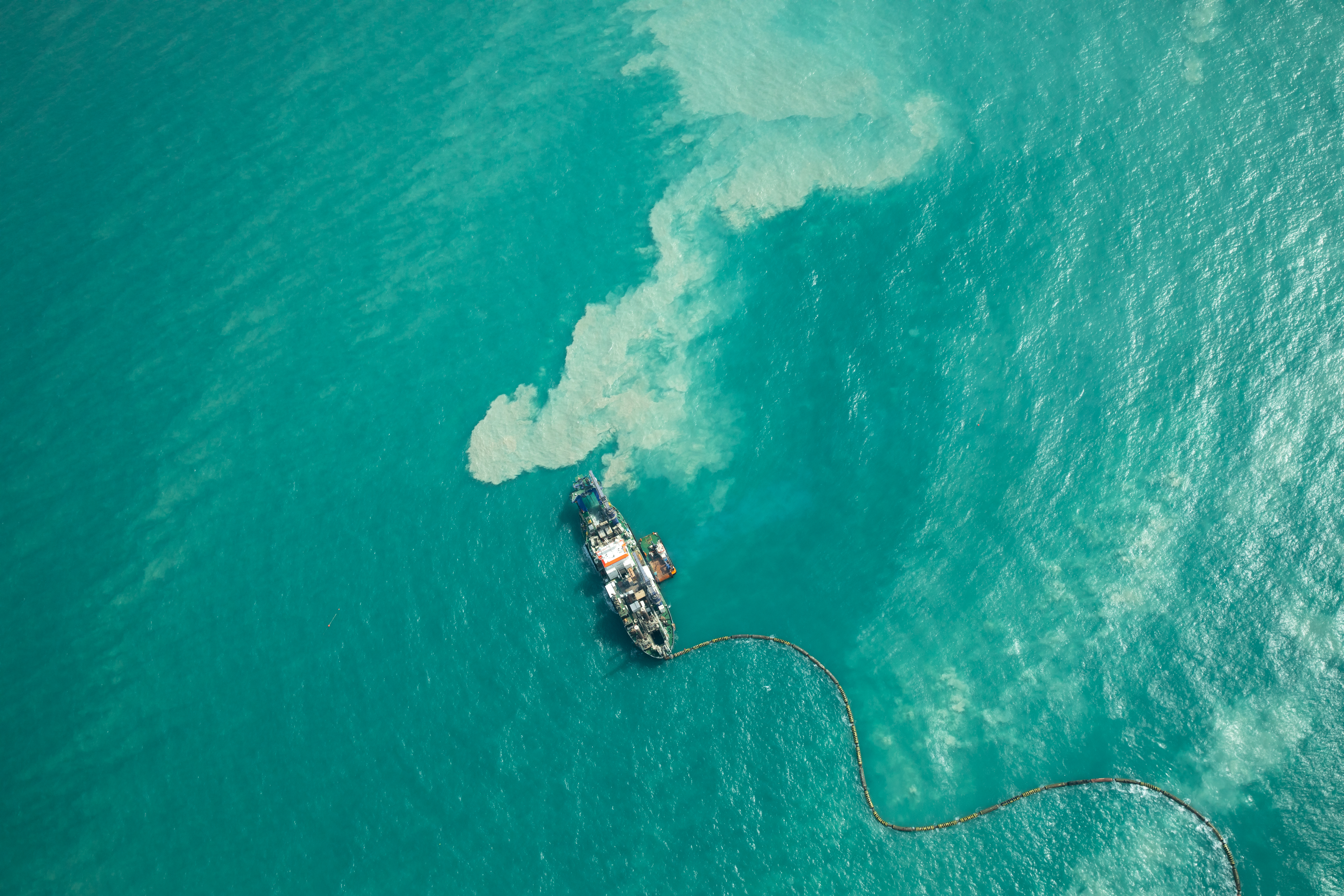
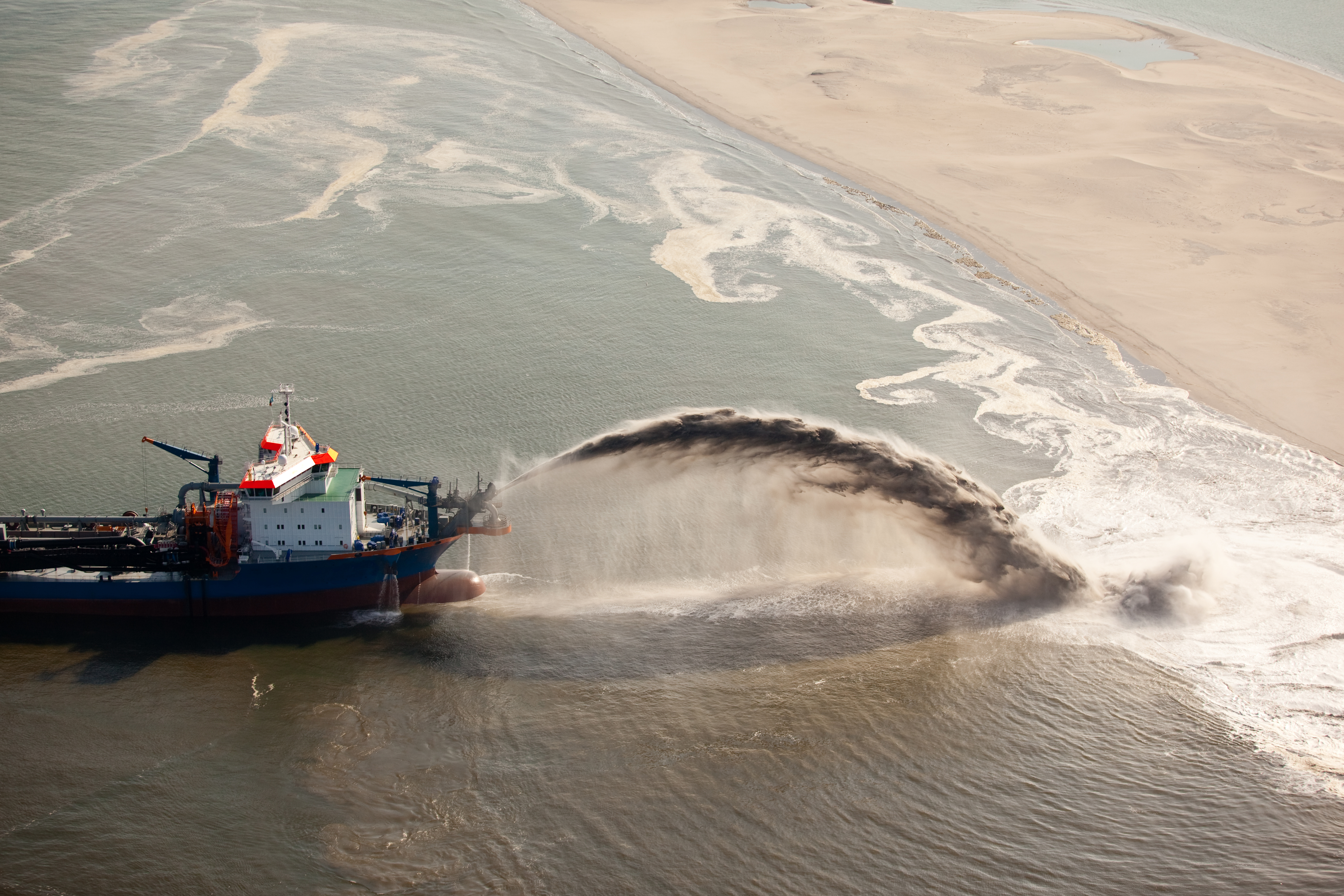
Sand Cartels: Illegal Dredging in Southeast Asia and Coastal Displacement
Read article →
iStock / kertu_ee
Why We Exist
Born to report stories no one was covering. Evolved to translate technologies no one was advancing.
Want to contribute? Join us →

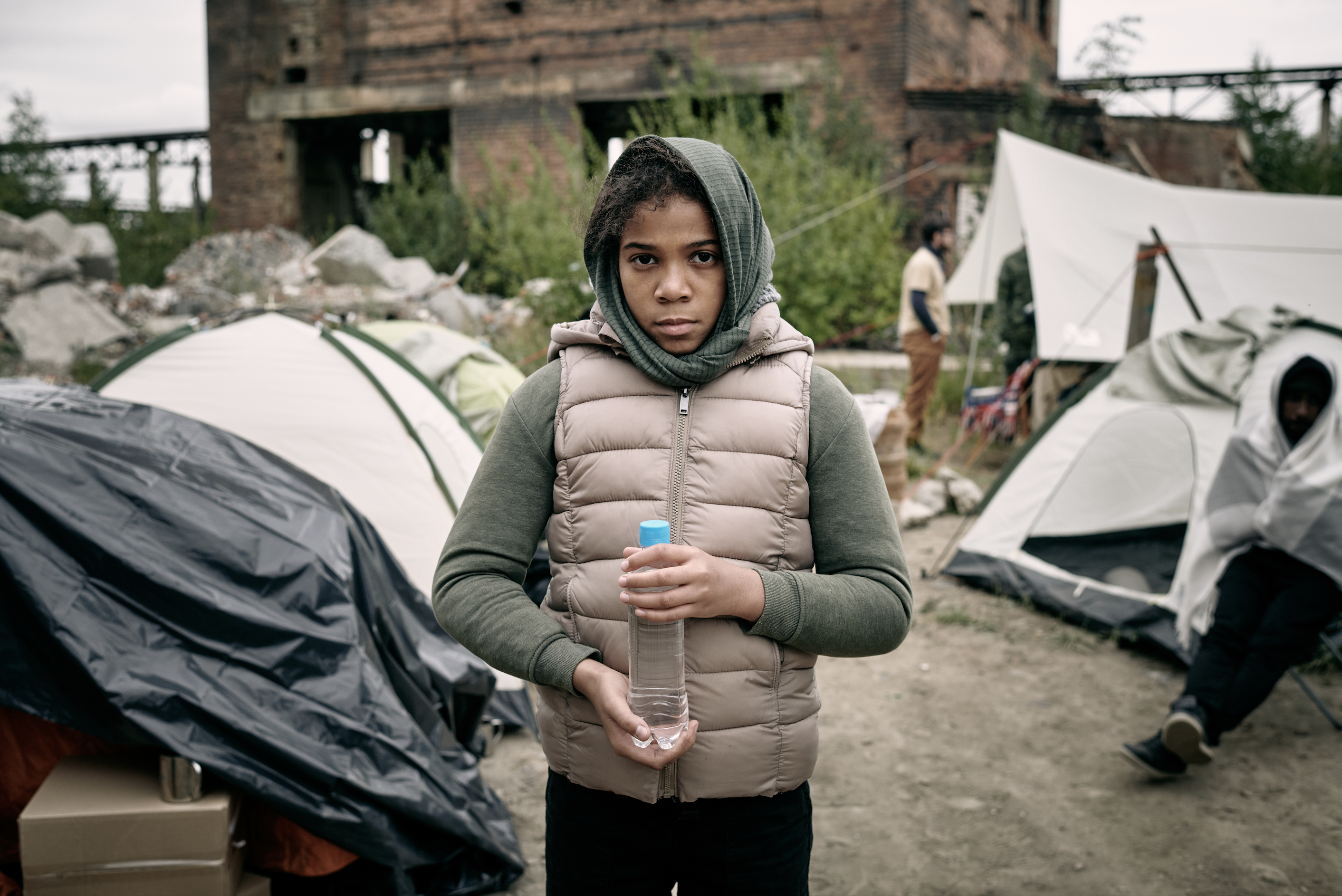
The Margins initiative began in 2024 as an independent effort to document the displaced populations in Southeast Asia that rarely make headlines — not only recognized refugees, but also the underreported victims who are systematically invisible: communities displaced under trafficking, migrant workers in legal gray zones left uncompensated.

We then encountered a second problem: solutions to these crises exist, but they rarely reach the people who need them. An ultra-low-cost water disinfection technology that can provide clean water for millions of refugees around the globe — and no resettlement organizations have ever heard of it.

This is the purpose of solutions journalism. We are STEM-trained but field-grounded. We are here to report the problems, find what works, document why it works, and put it in front of the NGOs, advocates, and society.

Latest Reporting

Reporting

Investigations, field dispatches, and data analysis on displacement, housing, and water access for refugees, asylum seekers, and marginalized populations.

Solutions

What's being built — and why it's not spreading fast enough.

Solutions journalism isn't advocacy. It's rigorous reporting on interventions that have evidence behind them — honest about what works, what doesn't, and what's missing.

Water Access · Technology Advocacy

Clean Water Without Power Lines

A device the size of a shoebox purifies 10 liters of drinking water in 15 minutes using nothing but human motion — no grid, no fuel, no chemical byproducts. Published in ACS Nano, 2026. Cost: $8.57 per person per year. Refugee resettlement organizations should know it exists.

Primary source: Wang et al., ACS Nano, 2026 · DOI: 10.1021/acsnano.5c13095
18 L
Average daily water per refugee across UNHCR operations globally in 2024 — still below the 20 L post-emergency minimum
UNHCR 2024 WASH Annual Report, April 2025
69%
Of monitored UNHCR settlement sites where water provision fell below minimum standards in 2024
UNHCR 2024 WASH Annual Report, April 2025
4 L
Daily water per person in Dabat Bosin, Sudan — the most severe case documented in 2024. The standard is 20 L.
UNHCR 2024 WASH Annual Report, April 2025
1
Why existing solutions fail at the moment they matter most

Every dominant water purification method used in humanitarian settings — solar chlorination, boiling, SODIS, UV-LED — shares a structural weakness. Each depends on something that cannot be guaranteed in the hours and days immediately following displacement: stable infrastructure, consistent fuel, sunlight, or battery power. The failure mode is not rare. It is the default condition for newly displaced families.

Solar-Chlorination

Months to deploy. Millions to build.

Requires boreholes, pipe networks, and solar arrays. Serves established camps well. Cannot respond in the first 72 hours after displacement — exactly when infection risk peaks.

Boiling

Depends on fuel that isn't there.

WHO's household-level recommendation. Requires LPG, wood, or kerosene — rationed commodities in camp environments. Adds indoor air pollution, deforestation, and burn risk to existing harm.

SODIS / Solar Disinfection

Up to 48 hours per batch. Fails in cloud.

Transparent bottles left in sunlight. No cost, but no speed. Fails entirely without consistent solar exposure. In emergencies, it is too slow to be useful.

4 L
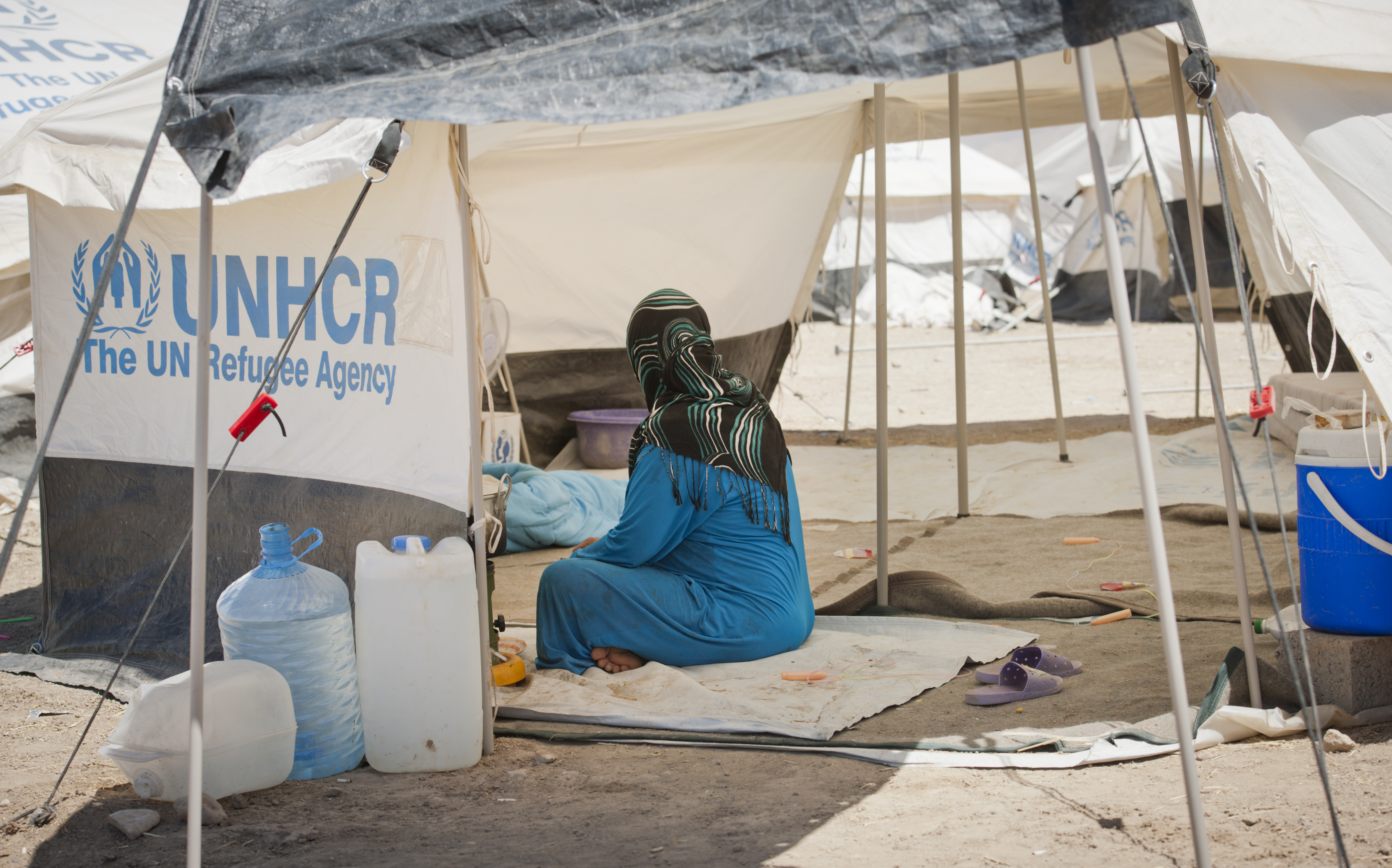
Dabat Bosin, Sudan — 2024. People in this settlement received four liters of water per person per day. The UNHCR post-emergency minimum is 20 liters. A person requires roughly 2.5 liters just to survive. This is not an outlier. Across 69% of monitored UNHCR sites, water provision fell below minimum standards that year.
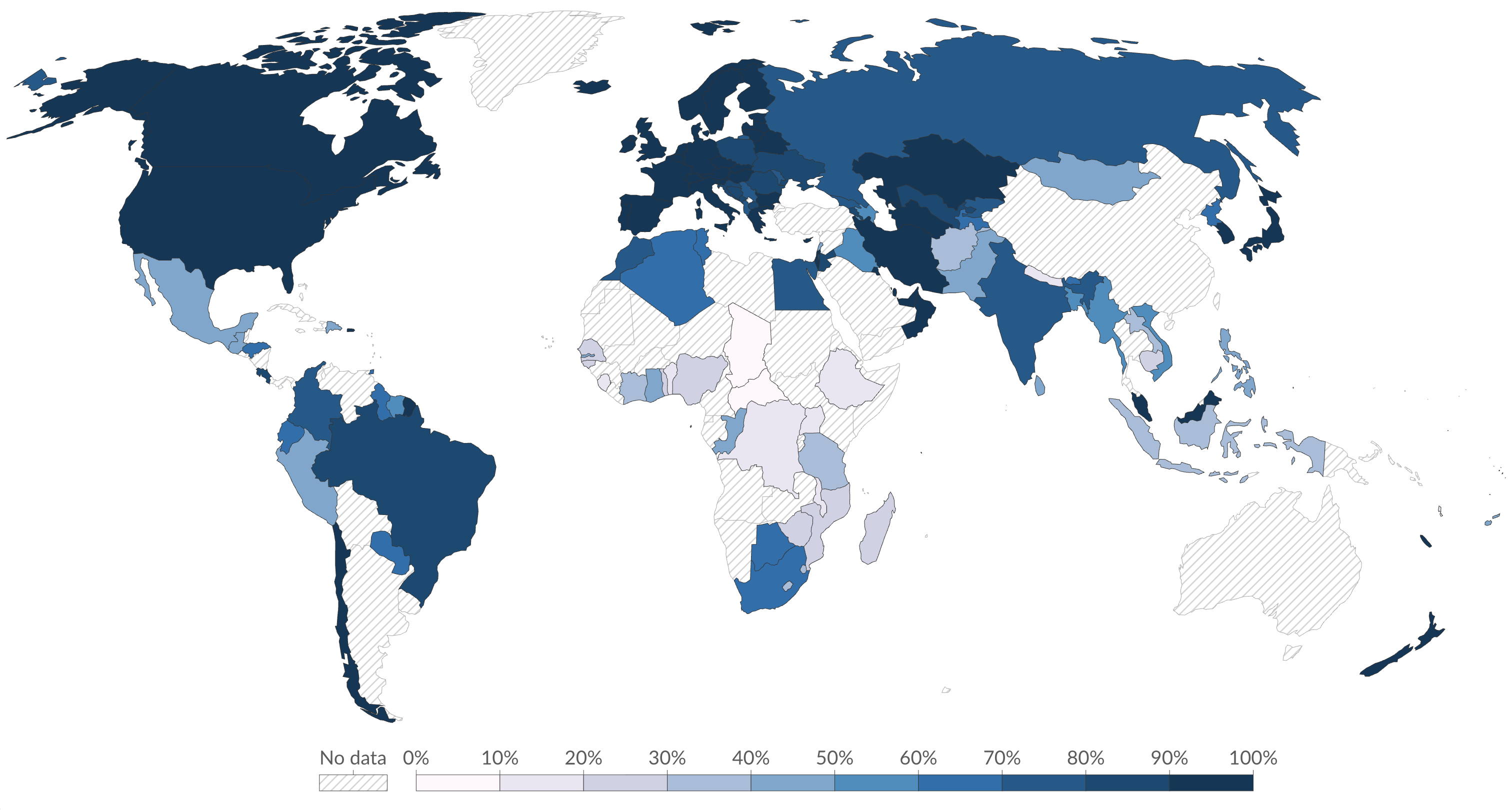
World map showing share of population with access to safely managed drinking water
Share of population with access to safely managed drinking water. Lighter shading = less access. Data: WHO/UNICEF JMP via Our World in Data, 2022 · CC BY
2
How the TEHG-UV device works — and why it took this long to build

Published in ACS Nano in 2026 by Wang Xingwei and colleagues at Tsinghua University's State Key Laboratory of Regional Environment and Sustainability — with co-corresponding author Prof. Zhiguo Yuan, who leads the UN-FIRST initiative at City University of Hong Kong under UNESCO endorsement — the TEHG-UV system solves an engineering problem that had blocked portable UV disinfection for decades.

UV mercury lamps are the most proven, most cost-effective germicidal technology available — producing UV-C light at 254 nm that directly damages pathogen DNA without chemical residues, with service lives exceeding one year. The obstacle: activating one requires ~917 volts at startup, dropping to ~300 V for sustained operation. The lamp's internal resistance swings across five orders of magnitude in a single cycle — from gigaohms to kilohms. No conventional portable power source could match this two-phase electrical profile. That is what has kept UV disinfection grid-dependent until now.

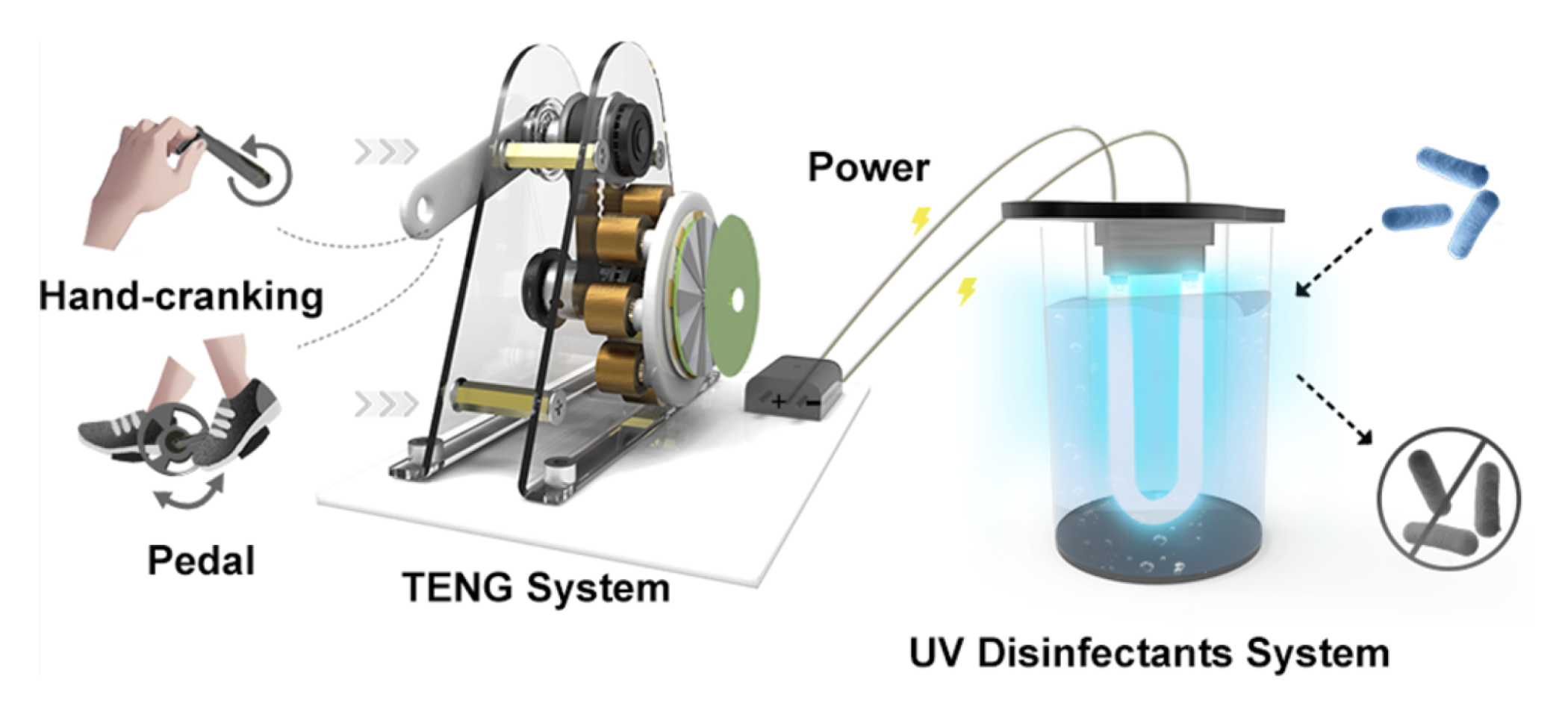
Schematic of the TEHG-UV system: hand-cranking and pedal drive the TENG system, which powers the UV disinfection unit
Figure 1A: Schematic of the TEHG-UV device. Hand-cranking or pedaling drives the TENG system, which generates the electricity to power a UV mercury lamp immersed in contaminated water. Source: Wang et al., ACS Nano, 2026. DOI: 10.1021/acsnano.5c13095
Laboratory demonstration of the TEHG-UV prototype. A researcher at Tsinghua University hand-cranks the device, generating electricity through the TEHG system to power the UV lamp and disinfect water in the beaker. Video courtesy of the research group, Wang et al., 2026.
1

Generate electricity from motion

A hand crank or foot pedal drives two generators simultaneously. The triboelectric nanogenerator (TENG) exploits contact electrification between polyurethane and PTFE — materials with a large work-function difference (3.8–4.0 eV vs. 5.1–5.4 eV) — to produce high-voltage, low-current output. The electromagnetic generator (EMG) uses Faraday's law of induction to produce lower-voltage, higher-current output. A 1:4 belt drive (hand) or 1:20 (foot) converts comfortable human motion into the generator speeds required.

TENG: up to 3.5 kV · 50 μA EMG: ~300 V · 10 mA Human input: 60–120 rpm
2

Activate the UV lamp — both phases

A switching circuit directs the TENG's high-voltage output to ignite the mercury lamp (startup phase: ~917 V required), then switches to the EMG's sustained current to maintain operation (~300 V, 10 mA). The TEHG system's combined impedance varies from MΩ to kΩ — dynamically matching the lamp's five-orders-of-magnitude resistance swing. Neither generator alone could do this. Together, they form a complete power source for UV disinfection without any external energy.

3

Disinfect — completely, quickly, with no chemical residue

UV-C at 254 nm damages pathogen DNA, preventing reproduction. The device was tested against three pathogens representing the full spectrum of waterborne threats: E. coli (Gram-negative indicator), B. subtilis in spore-forming state (the hardest to inactivate due to thick cell wall), and MS2 bacteriophage (model for enteric viruses). Complete 8-log inactivation — 99.999999% reduction — was achieved for all three. Tests in real river water showed comparable results to tap water.

8-log pathogen removal Exceeds WHO 4-log standard No chemical byproducts Real river water validated

At 80 rpm hand-cranking, the device purifies 500 mL in 5 minutes. The foot-pedal configuration drives multiple UV lamps simultaneously (~30 W output), producing 10 liters of safe drinking water in 15 minutes — meeting the WHO daily standard for a 4-person household. After 50 hours of continuous operation, TENG output retained 97.7% of initial voltage. Across 80 consecutive disinfection cycles, complete pathogen removal was maintained. Estimated component lifespan: minimum six months under daily household use.

Pathogen removal
8-log (100%)
Output retention (50 hr)
97.7%
Households served / $
$8.57 / yr
WHO standard threshold
4-log (min)
3
Designed for underdeveloped regions. Applicable to displacement. The distinction matters.

The TEHG-UV was designed for families in rural low-income regions with inadequate electrical infrastructure — not specifically for refugee populations. These are related but distinct groups. Being precise about where the overlap is genuine and where gaps remain is not a weakness of this advocacy. It is the condition of its credibility.

✓ Genuine alignment
Grid-free operationIn acute displacement — border crossings, temporary settlements, dispersed housing — grid access ranges from intermittent to nonexistent. The TEHG-UV requires no external energy source. This is its core design rationale.
Household scaleUNHCR WASH infrastructure is overwhelmingly centralized. The gap is at the household level for families in temporary or dispersed housing — exactly what the TEHG-UV was designed for.
Chemical-free outputNo residual chlorine, no chemical knowledge required to verify safety. For families navigating unfamiliar systems under acute stress, this matters operationally and psychologically.
All-weather, all-contextFunctions in rain, cloud, and darkness. Not hostage to fuel supply chains or solar availability. Human mechanical energy is the only resource required — available everywhere, always.
⚠ Gaps — honestly stated
Not field-validatedLaboratory-tested and prototype-tested. Not yet validated in displacement settings. This is the most significant gap, and the most important work ahead.
Microbial onlyDoes not remove chemical contaminants, heavy metals, or suspended solids. Where source water has chemical contamination, upstream filtration (e.g. sand filter) is needed first.
Adult operation60–120 rpm cranking requirement. Comfortable for healthy adults; may challenge elderly users or children. The authors acknowledge this as a known limitation.
Mercury lamp handlingRequires standard disposal protocols to prevent mercury contamination from broken lamps — a logistical requirement for any deployment program.
4
How TEHG-UV compares to established methods
Method External energy Chemical byproducts Works without sun/grid Household scale Annual cost / person WHO standard
TEHG-UV (this technology) None None Yes Yes $8.57 Exceeds (8-log)
Solar-Chlorination Solar Chlorine residue Partial Camp-scale only High capital Meets
Boiling Fuel required Combustion Yes Yes Fuel-dependent Meets
SODIS None None Sunlight needed Yes Near zero 6–48 hr cycle
UV-LED Battery / grid None No Yes Battery cost Meets
5
Where this advocacy comes from
Research Context

This page is not independent commentary on someone else's research. It grows from an ongoing collaboration with the research group behind the technology. Xingwei Wang, first author of the ACS Nano paper, is a researcher at Tsinghua University's State Key Laboratory of Regional Environment and Sustainability, where this research was conducted. Prof. Zhiguo Yuan (City University of Hong Kong), co-corresponding author, leads the UN-FIRST initiative — Fostering Innovation for Resilience and Sustainable Transformation — officially endorsed by UNESCO under the International Decade of Sciences for Sustainable Development (2024–2033). This research was conducted in connection with that framework.

The technical work belongs to its authors. The contribution of The Margins is the humanitarian framing: the specific question of how this technology applies to refugee and resettlement contexts, what adaptation would be required, and how to communicate those questions to the organizations that need to hear them. Our ongoing work includes a public-facing technical summary for NGO program staff, needs assessments with resettlement organizations, and a policy brief connecting the research to UNHCR WASH frameworks.

Research in partnership with

Partner with us to run a pilot.

We are looking for resettlement agencies, humanitarian NGOs, and research institutions interested in field-validating the TEHG-UV technology with refugee populations. The science is done. The translation work — from laboratory result to deployed tool — is what's needed next, and it requires partners with access to the field.

Sources
Wang, X. et al. "A Simple Disinfection Device for Families in Underdeveloped Regions." ACS Nano, 2026. DOI: 10.1021/acsnano.5c13095
UNHCR. 2024 WASH Annual Report. April 2025. unhcr.org
UNHCR. Mid-Year Trends: Forcibly Displaced Populations. June 2025. unhcr.org
Jeon, J. et al. "Advances in Triboelectric Nanogenerators for Microbial Disinfection." Micromachines 16(3), 281. February 2025.
Kim, Y.-J. et al. "Walking-Induced Electrostatic Charges Enable in Situ Electroporated Disinfection in Portable Water Bottles." Nature Water 2, 360–369. 2024.
Huo, Z.-Y., Kim, Y.-J., Kim, S.-W. "Contact Electrification-Induced Personal Sanitation." Nature Reviews Clean Technology 1, 673–674. 2025.
Families supported through CWS OC housing navigation (updating as work progresses)
$3,000
Typical monthly income ceiling for a newly resettled family of 3 — against LA median rent of $2,200+
90
Days of initial federal resettlement support — often not enough to secure stable housing in LA/OC

When a refugee family is approved for resettlement in the United States, the clock starts immediately. Federal funding covers 90 days of intensive support. After that, families are largely on their own in one of the most expensive rental markets in the country.

What Housing Navigation Actually Looks Like

Through volunteer work with Church World Service Orange County, I've observed the housing navigation process firsthand. Volunteers search Craigslist, Facebook Marketplace, and direct landlord networks to find units within a family's budget. They contact landlords, explain the refugee resettlement context, assist with applications, and coordinate move-in logistics — including furniture assembly.

The limiting factor is rarely the family's qualifications. It's landlord reluctance, competition from other renters, and the narrow window in which housing must be secured before other resettlement milestones are affected.

What We're Documenting

This section grows as our housing navigation work develops. We are tracking cases, collecting data on search timelines, and building a clearer picture of where the system breaks down — and where targeted interventions could help.

About

Xingtong Jerry Zou

Bio coming soon.

For research collaboration, partnership inquiries, or press:

jerryzou2021@gmail.com